Author name: flowdigitally

Blog

The Role of Magnesium Turnings Exporters in the Global Supply Chain

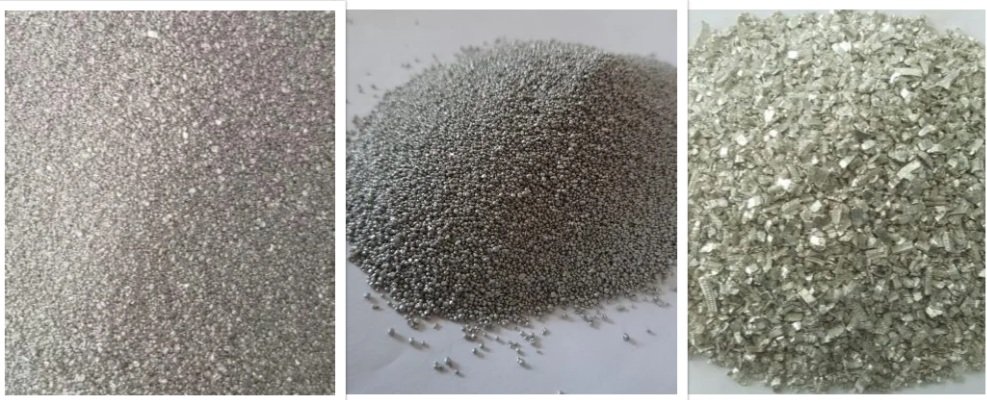
The Role of Magnesium Turnings Exporters in the Global Supply Chain Magnesium turnings are small pieces of magnesium metal used in many industries. They are important for making fireworks, flares, and other pyrotechnic devices because they burn easily. They also help produce certain metals and are used in chemical reactions. The global supply chain for magnesium turnings is complex and involves many stakeholders, including exporters who ensure this material is available. The Importance of Magnesium Turnings Magnesium turnings are highly reactive and lightweight, making them valuable in various industries like aerospace, automotive, and electronics. They are used to produce lightweight alloys and components. The demand for magnesium turnings comes from their use in: The Role of Exporters Exporters of magnesium turnings play a crucial role in the global supply chain by moving this material from production sites to end-users worldwide. Their key functions include: Challenges Faced by Exporters Exporters of magnesium turnings face several challenges in the global supply chain: The Future of Magnesium Turnings Export The future of magnesium turnings export looks bright, driven by the rising demand for lightweight materials in various industries. The aerospace and automotive sectors, in particular, are expected to boost demand due to the focus on fuel efficiency and emission reduction. Advancements in manufacturing technologies and new applications for magnesium turnings will also increase their demand. Exporters will need to adapt to these market changes by investing in advanced logistics solutions, improving regulatory compliance, and building strong supply chain networks. Collaborating with manufacturers and end-users will be key to ensuring a smooth flow of magnesium turnings globally. Conclusion Magnesium turnings exporters are crucial in the global supply chain, ensuring this essential material reaches various industries. Despite facing challenges, exporters help move magnesium turnings from production sites to end-users, supporting the growth of multiple industries. As demand for lightweight materials increases, their role will become even more important in the global supply chain.

Blog

How to address and control impurities in magnesium products during manufacturing?

How to address and control impurities in magnesium products during manufacturing? By flowdigitally / January 24, 2025 Magnesium is a versatile metal used in many industries like automotive, aerospace, and electronics because it is lightweight and strong. However, impurities can greatly affect the performance and quality of magnesium products. So, it is crucial to address and control impurities during manufacturing. This article looks at the methods and techniques used to ensure magnesium products are high-purity. 1. Raw Material Selection The first step to control impurities is choosing high-quality raw materials. Magnesium can come from natural minerals like magnesite, brucite, and dolomite, or from synthetic sources like magnesium chloride from seawater or brine. Using high-purity raw materials helps minimize impurities right from the start. 2. Purification Techniques Several techniques are used to remove impurities from magnesium: 3. Process Control and Monitoring Maintaining strict control over the manufacturing process is essential to minimize impurities: 4. Chemical Analysis and Testing Regular chemical analysis and testing of magnesium products are crucial to keep impurity levels within acceptable limits: 5. Quality Control Measures Implementing stringent quality control measures throughout the manufacturing process helps ensure the production of high-purity magnesium: 6. Advanced Purification Methods Research and development in advanced purification methods continue to improve the quality of magnesium products: Conclusion Controlling impurities in magnesium products during manufacturing is essential for high-quality and reliable materials. By choosing high-purity raw materials, using effective purification techniques, maintaining strict process control, and implementing rigorous quality control measures, manufacturers can produce magnesium products with minimal impurities. Ongoing research and development in advanced purification methods further improve the ability to achieve high-purity magnesium, meeting the growing demands of industries that rely on this versatile metal.

Blog

How do we ensure the quality of our Magnesium Products meets International Standards?

How do we ensure the quality of our Magnesium Products meets International Standards? Ensuring the quality of magnesium products to meet international standards is a multifaceted process that involves stringent quality control measures, adherence to regulatory requirements, and continuous improvement practices. Here’s a comprehensive overview of how this can be achieved: Introduction Magnesium is a versatile metal used in various industries, including automotive, aerospace, electronics, and healthcare. Its lightweight and high-strength properties make it an essential material for manufacturing. However, ensuring the quality of magnesium products to meet international standards is crucial for safety, performance, and customer satisfaction. Raw Material Selection First, the quality assurance process begins with the selection of high-quality raw materials. We Source magnesium from reputable suppliers who provide certification of purity and composition. We test the raw materials for impurities and consistency to ensure they meet the required specifications. Manufacturing Process Control Quality Control and Testing Compliance with International Standards Continuous Improvement Conclusion Ensuring the quality of magnesium products to meet international standards is a comprehensive process that involves careful selection of raw materials, stringent manufacturing controls, rigorous testing, and adherence to regulatory requirements. By implementing these practices, we produce high-quality magnesium products that meet the demands of various industries and ensure customer satisfaction.

Blog

What safety measures are essential for handling Magnesium Turnings, Granules, and Powders?

What safety measures are essential for handling Magnesium Turnings, Granules, and Powders? Handling magnesium turnings, granules, and powders needs strict safety measures because they are very reactive and flammable. Here are important safety steps to follow: 1. Personal Protective Equipment (PPE) Wearing the right PPE is very important when handling magnesium. This includes: 2. Storage and Handling Proper storage and handling are crucial to prevent accidental fires: 3. Fire Safety Measures Magnesium fires are hard to put out with water and need special fire safety steps: 4. Ventilation and Dust Control Fine magnesium dust can explode when in the air: 5. Training and Procedures Proper training and procedures are key for safe handling: 6. Emergency Response Being ready for emergencies can reduce the impact of accidents: 7. Environmental Controls Preventing environmental contamination is also important: 8. Chemical Compatibility Magnesium can react with various substances, so it’s important to know what it can and can’t be near: 9. Monitoring and Maintenance Regular checks and maintenance can prevent accidents: Conclusion Handling magnesium turnings, granules, and powders requires a comprehensive approach to safety. By following these essential safety measures, you can minimize the risks associated with this highly reactive metal and ensure a safe working environment.

Scroll to Top